

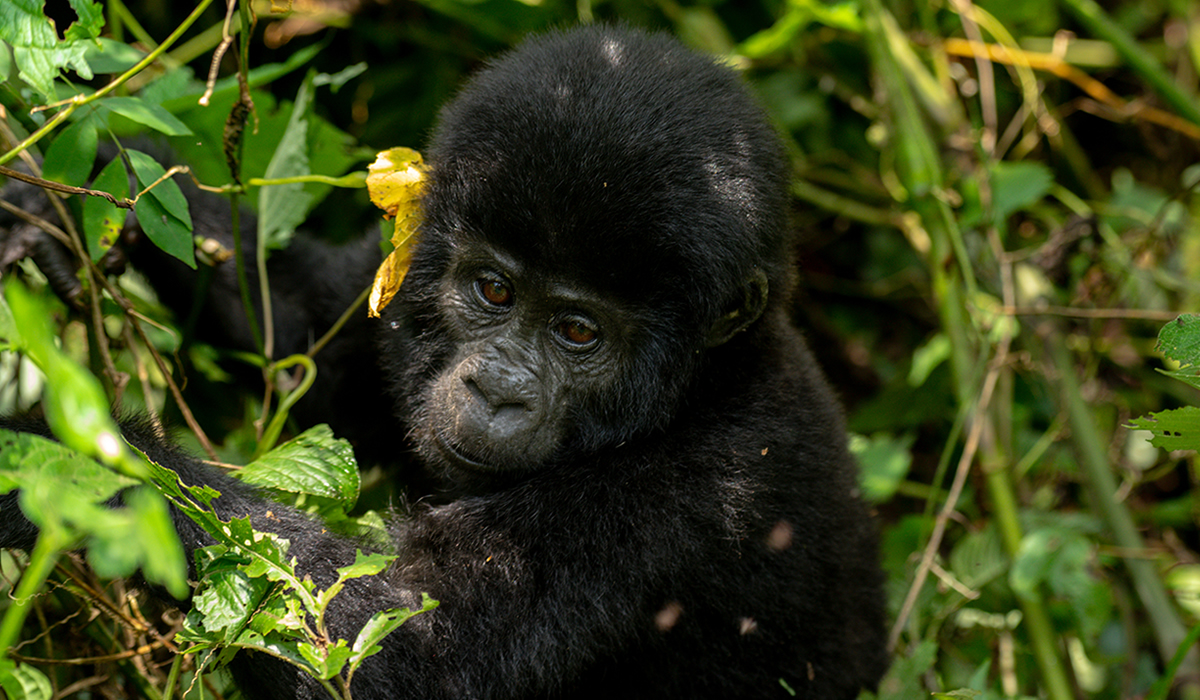
Gorilla trekking in Bwindi Impenetrable National Park is one of the most extraordinary wildlife experiences in Africa. Located in southwestern Uganda along the edge of the Great Rift Valley, Bwindi is a UNESCO World Heritage Site known for its dense rainforest, remarkable biodiversity, and most importantly, its population of endangered mountain gorillas. For tourists seeking a once in a lifetime African safari adventure, Bwindi offers intimate encounters with these gentle giants in their natural habitat.
This ancient forest, estimated to be over 25,000 years old, is home to nearly half of the world’s remaining mountain gorillas. Gorilla trekking in Uganda has become one of the most sought after wildlife experiences globally, drawing tourists from Europe, North America, Asia, and beyond. The combination of mist covered hills, rich birdlife, and the chance to observe gorillas up close makes Bwindi a premier destination for luxury safaris and eco tourism in East Africa.
Why Bwindi Is the Best Place for Gorilla Trekking in Uganda
Bwindi Impenetrable National Park covers about 331 square kilometers of montane and lowland forest. Its thick vegetation and rugged terrain create a dramatic backdrop for gorilla trekking tours. The park is divided into four main trekking sectors, Buhoma, Ruhija, Rushaga, and Nkuringo, each offering unique landscapes and habituated gorilla families.
The reason Bwindi stands out for gorilla trekking is its large number of habituated mountain gorilla families. Habituation means that these gorillas have undergone years of careful monitoring and gradual exposure to humans so they can tolerate the presence of tourists for a limited time each day. This controlled interaction ensures both safety and conservation.
Compared to other destinations for mountain gorilla trekking in Africa, Bwindi offers more trekking permits and a wider range of accommodation options. From luxury lodges with panoramic forest views to mid range and budget camps, tourists can choose experiences that suit their preferences while enjoying close proximity to gorilla trekking starting points.
The Gorilla Trekking Experience in Bwindi
Gorilla trekking in Bwindi begins early in the morning with a briefing at the park headquarters. Tourists are assigned to small groups of up to eight people per gorilla family. Each group is led by experienced guides and armed rangers who are knowledgeable about gorilla behavior and forest navigation.
The trek itself can last anywhere from one to six hours depending on the location of the gorilla family. The terrain can be steep and muddy, and the forest is dense, hence the name Impenetrable. However, the effort is richly rewarded. When tourists finally encounter a mountain gorilla family, they are allowed to spend one unforgettable hour observing them.
During this hour, tourists may witness silverbacks asserting dominance, mothers nurturing infants, juveniles playing in the trees, and the quiet interactions that define gorilla social life. The experience is deeply moving. Standing just a few meters away from a 200 kilogram silverback in the wild is both humbling and thrilling.
Gorilla Trekking Permits and Booking Information
To participate in gorilla trekking in Bwindi Impenetrable National Park, tourists must obtain a gorilla trekking permit from the Uganda Wildlife Authority. Permits are limited and highly regulated to protect the gorillas from stress and disease.
As of recent guidelines, a gorilla trekking permit in Uganda costs several hundred US dollars per person. It is highly recommended to book permits several months in advance, especially during peak travel seasons from June to September and December to February.
Tour operators often arrange permits as part of a comprehensive Uganda gorilla safari package, which may include transportation, accommodation, meals, and additional activities such as bird watching or cultural tours. Early planning ensures that tourists secure their preferred trekking sector and travel dates.
Best Time for Gorilla Trekking in Bwindi
Gorilla trekking in Uganda is possible year round, but the best time to visit Bwindi is during the dry seasons. These typically run from June to September and from December to February. During these months, the forest trails are less slippery and trekking conditions are more manageable.
However, Bwindi’s rainforest climate means that rain can occur at any time of year. Some tourists prefer the wet seasons because the forest is lush and vibrant, and there may be fewer visitors. Regardless of the season, proper preparation is essential for a comfortable trekking experience.
What to Pack for Gorilla Trekking
Preparation is key to a successful gorilla trekking safari in Bwindi. Tourists are advised to wear long sleeved shirts and long trousers to protect against insects and thorny vegetation. Waterproof hiking boots with good ankle support are essential due to uneven and muddy trails.
Other important items include a rain jacket, gardening gloves for gripping vegetation, a hat, sunscreen, insect repellent, and a refillable water bottle. A walking stick is often provided at the park headquarters and can be extremely helpful during steep climbs. Hiring a porter is also recommended, as it supports the local community and eases the physical burden of carrying backpacks.
Conservation and Sustainable Tourism in Bwindi
Gorilla trekking in Bwindi Impenetrable National Park plays a vital role in conservation. Revenue from gorilla trekking permits supports anti poaching patrols, habitat protection, and community development projects. A portion of the permit fee is shared with local communities, encouraging positive relationships between residents and wildlife conservation efforts.
The survival of mountain gorillas is one of conservation’s greatest success stories. Once critically endangered, their numbers have steadily increased due to strict protection measures and responsible tourism. Tourists participating in gorilla trekking directly contribute to safeguarding the future of these magnificent primates.
Strict rules are enforced during gorilla trekking. Tourists must maintain a minimum distance from the gorillas, avoid flash photography, and refrain from trekking if they are ill. These guidelines are designed to prevent disease transmission and minimize stress on the animals.
Accommodation Options Near Bwindi
Bwindi offers a wide range of accommodation options catering to luxury, mid range, and budget tourists. In the Buhoma sector, visitors can find upscale lodges with forest views and premium amenities. The Rushaga and Nkuringo sectors also feature eco friendly lodges perched on hilltops overlooking the Virunga Mountains.
Many lodges provide early breakfast, packed lunches, and transportation to trekking starting points. The hospitality sector around Bwindi has grown significantly, providing high standards of comfort while maintaining a strong focus on sustainability and community engagement.
Combining Gorilla Trekking with Other Uganda Safaris
A gorilla trekking safari in Bwindi can easily be combined with other wildlife experiences in Uganda. Tourists often pair their gorilla adventure with a visit to Queen Elizabeth National Park, known for its tree climbing lions and boat cruises along the Kazinga Channel. Others extend their itinerary to Murchison Falls National Park for classic game drives and a visit to the powerful Murchison Falls.
For those interested in chimpanzee tracking, Kibale National Park offers one of the best primate tracking experiences in Africa. Combining these destinations creates a comprehensive Uganda safari itinerary filled with diverse landscapes and wildlife encounters.
Cultural Encounters Around Bwindi
In addition to gorilla trekking, tourists can engage in meaningful cultural experiences around Bwindi. The Batwa community, indigenous forest dwellers who once lived within Bwindi, offer cultural tours that share their history, traditional practices, and forest survival skills. These interactions provide insight into the human history of the region and enrich the overall safari experience.
Community visits, craft markets, and local performances allow tourists to connect with Ugandan culture while supporting local livelihoods. Responsible tourism ensures that both wildlife and people benefit from the growth of gorilla trekking in Uganda.
Why Gorilla Trekking in Bwindi Is a Life Changing Experience
Gorilla trekking in Bwindi Impenetrable National Park is more than just a safari activity. It is an emotional and transformative encounter with one of the planet’s most endangered species. Watching a mountain gorilla family interact in the wild fosters a deep appreciation for nature and the importance of conservation.
For many tourists, the journey through the misty forest, the anticipation of the search, and the powerful moment of eye contact with a silverback become lasting memories. Bwindi offers authenticity, adventure, and meaningful conservation impact all in one destination.
As global interest in sustainable tourism grows, gorilla trekking in Uganda remains at the forefront of responsible wildlife travel. With careful planning, proper preparation, and respect for conservation guidelines, tourists can experience one of Africa’s greatest wildlife encounters while contributing to the protection of mountain gorillas for generations to come.