

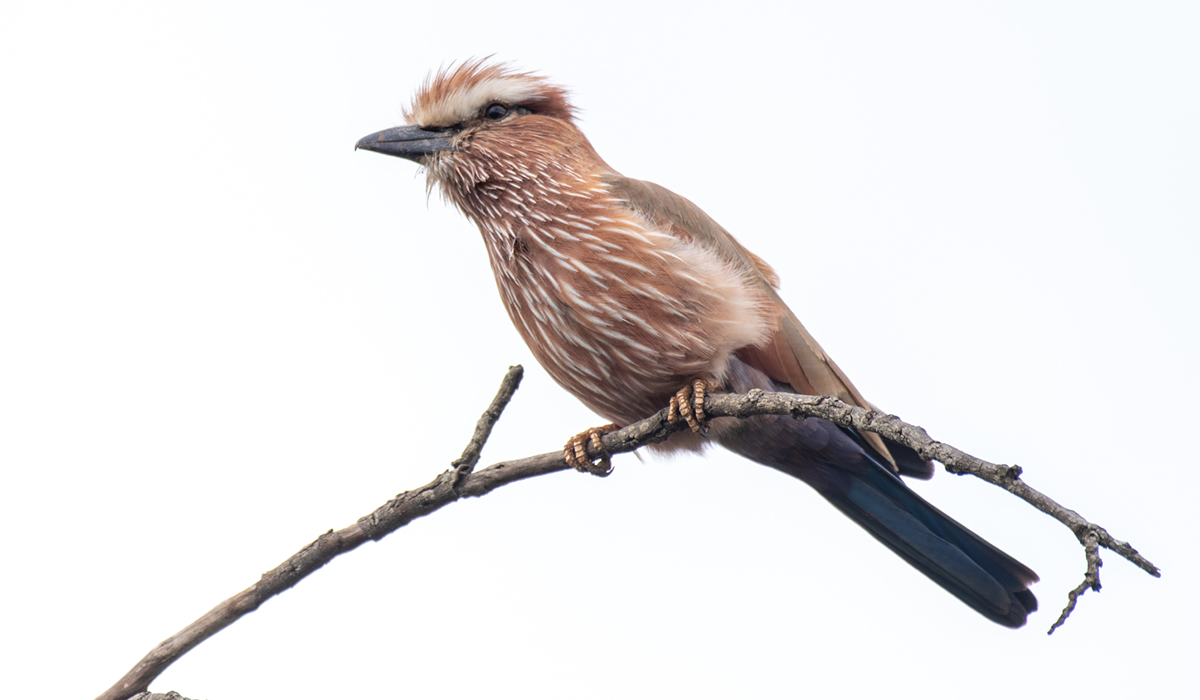
Uganda is widely recognised as one of Africa’s premier birding destinations, attracting thousands of tourists each year who seek exceptional bird watching experiences. With more than 1,000 recorded bird species, representing nearly half of Africa’s bird species, Uganda offers unmatched diversity within a relatively compact geographical area. From tropical rainforests and vast wetlands to Savannah plains and montane ecosystems, bird watching expeditions in Uganda provide extraordinary opportunities for both amateur and professional birders.
For tourists planning a Uganda safari, bird watching is often combined with wildlife viewing, gorilla trekking, chimpanzee tracking, and cultural tours. The country’s rich habitats and favourable climate make birding possible throughout the year, positioning Uganda as a top destination for bird watching in Africa.
Why Uganda Is a Top Bird Watching Destination
Uganda’s unique location at the intersection of East African savannah, West African rainforest, and montane ecosystems creates ideal conditions for bird diversity. This ecological convergence allows tourists to spot Albertine Rift endemics, forest specialists, water birds, and open grassland species within a single itinerary.
The country’s well protected national parks and wetlands support rare and sought after species such as the shoebill stork, African green broadbill, and Grauer’s swamp warbler. For serious bird watchers, Uganda offers the opportunity to record an impressive number of species in a relatively short period.
Bird watching expeditions in Uganda are led by experienced local birding guides who understand habitats, seasonal patterns, and bird calls. Their expertise greatly increases the chances of locating elusive species and enhances the overall safari experience.
Bird Watching in Queen Elizabeth National Park
Queen Elizabeth National Park is not only famous for its tree climbing lions but also for its outstanding birdlife. With over 600 recorded bird species, it is one of the most diverse parks in Africa for bird watching.
The park’s varied habitats, including savannah, wetlands, crater lakes, and the Kazinga Channel, attract a wide range of species. Tourists can spot African fish eagles, saddle billed storks, papyrus gonoleks, flamingos around crater lakes, and numerous kingfishers along the water channels.
Boat cruises on the Kazinga Channel provide excellent opportunities to observe water birds up close. Bird watching expeditions in this park often combine game drives and boat safaris, allowing tourists to enjoy both large mammals and diverse birdlife.
Bird Watching in Bwindi Impenetrable National Park
Bwindi Impenetrable National Park is globally renowned for mountain gorilla trekking, but it is equally impressive for forest birding. The park is home to more than 350 bird species, including 23 Albertine Rift endemics, making it a prime destination for specialized bird watching tours.
Dense montane forest creates ideal conditions for rare species such as the African green broadbill, Shelley’s crimsonwing, and the handsome francolin. Guided forest walks provide tourists with intimate birding experiences in one of Africa’s oldest rainforests.
Bird watching in Bwindi requires patience and attentive listening, as many species are heard before they are seen. Early morning expeditions are particularly rewarding, when bird activity is at its peak.
Bird Watching in Murchison Falls National Park
Murchison Falls National Park offers a combination of savannah bird species and riverine habitats. The Nile River and surrounding wetlands attract numerous water birds, making it an important stop on many Uganda birding safari itineraries.
One of the main highlights is the elusive shoebill stork, often spotted in the Nile Delta area. Other notable species include the Abyssinian ground hornbill, secretary bird, and Goliath heron. Tourists can combine morning game drives with boat cruises to maximize bird sightings.
The varied landscape of Murchison Falls ensures that bird watchers encounter both open grassland species and water dependent birds within a single park.
Bird Watching in Kibale National Park
Kibale National Park is primarily known for chimpanzee tracking, but it also offers excellent forest bird watching opportunities. The park hosts over 375 bird species, including several rare forest specialists.
Bird watching expeditions in Kibale often focus on species such as the green breasted pitta, African pitta, and various turacos. Guided forest walks through Bigodi Wetland Sanctuary, located near the park, provide additional opportunities to spot papyrus species and colorful woodland birds.
The combination of primate tracking and bird watching makes Kibale a versatile destination for tourists interested in both wildlife and avian diversity.
Bird Watching in Lake Mburo National Park
Lake Mburo National Park is one of Uganda’s best bird watching locations due to its accessible wetlands and acacia woodland habitats. With over 350 bird species recorded, the park is ideal for short birding safaris.
Tourists frequently spot African finfoot, papyrus yellow warbler, and red faced barbet. The park’s lakes attract a variety of water birds, while the open savannah supports species such as the bare faced go away bird and various raptors.
Lake Mburo’s proximity to Kampala makes it a convenient starting or ending point for a Uganda bird watching expedition.
The Shoebill Stork and Wetland Birding
One of the most sought after species on any Uganda bird watching safari is the shoebill stork. This prehistoric looking bird inhabits papyrus swamps and wetlands, particularly around Mabamba Swamp near Lake Victoria and in the Nile Delta of Murchison Falls.
Guided canoe excursions through wetlands offer tourists a chance to observe shoebills at close range without disturbing their habitat. Wetland birding in Uganda also reveals species such as African jacanas, malachite kingfishers, and various egrets and herons.
The presence of such iconic species enhances Uganda’s reputation as a world class bird watching destination.
Best Time for Bird Watching in Uganda
Bird watching expeditions in Uganda are possible throughout the year due to the country’s equatorial climate. However, the best periods are generally during the dry seasons from June to September and December to February. During these months, trails are more accessible and visibility is improved.
The wet seasons, from March to May and October to November, also offer advantages. Migratory bird species from Europe and Asia arrive during this time, increasing overall species counts. Breeding plumage during rainy periods enhances the vibrancy of many species, making it an attractive season for bird photography.
Equipment and Preparation for Bird Watching Expeditions
Tourists planning a bird watching safari in Uganda should bring quality binoculars, a field guide, and a camera with a telephoto lens. Neutral colored clothing helps avoid disturbing birds, and sturdy walking shoes are recommended for forest trails and wetland areas.
Early morning starts are common, as bird activity peaks shortly after sunrise. Patience and attentiveness are essential, especially in forest environments where birds may remain hidden in dense foliage.
Hiring experienced birding guides significantly improves success rates, as they can identify calls, locate nests, and navigate remote habitats efficiently.
Conservation and Sustainable Birding Tourism
Uganda’s bird watching industry supports conservation efforts through park fees and community based tourism initiatives. National parks are managed by the Uganda Wildlife Authority, which oversees habitat protection and anti poaching operations.
Responsible bird watching practices encourage tourists to maintain safe distances, avoid playback calls that may stress birds, and respect protected areas. Sustainable tourism ensures that future generations can continue to enjoy Uganda’s exceptional birdlife.
Community initiatives near wetlands and forest reserves provide alternative livelihoods, reducing pressure on natural habitats and promoting environmental awareness.
Bird watching expeditions in Uganda offer one of the richest and most diverse avian experiences in Africa. With over 1,000 bird species across varied ecosystems, Uganda stands out as a premier destination for birding safaris.
From the wetlands of Mabamba and the Nile Delta to the dense forests of Bwindi and Kibale, tourists encounter rare species, endemic birds, and spectacular landscapes. Combined with expert guides, well protected habitats, and sustainable tourism practices, bird watching in Uganda becomes more than a hobby. It becomes a journey into the heart of Africa’s natural beauty.
For tourists seeking a rewarding, educational, and memorable wildlife safari, Uganda’s bird watching expeditions provide an unmatched opportunity to explore one of the continent’s most biodiverse destinations.